Avoid Fines: Parking & Skip Rules for Wembley Park Moves
Posted on 29/07/2026
Avoid Fines: Parking & Skip Rules for Wembley Park Moves
Moving home in Wembley Park should be busy, maybe a little chaotic, but it should not end with a parking ticket on the windscreen or a skip complaint from a neighbour. That is the bit people forget until the van is already outside and the kettle is nowhere to be found. This guide on Avoid Fines: Parking & Skip Rules for Wembley Park Moves pulls the moving-day details together in plain English so you can plan access, avoid penalties, and keep the whole job running smoothly.
Whether you are handling a flat move, a student move, a last-minute relocation, or a full house transfer, parking restrictions and skip placement can cause real headaches in Wembley Park. The good news? Most of the problems are avoidable with a bit of planning, a clear checklist, and sensible timing. Let's get into the practical stuff.
Why Avoid Fines: Parking & Skip Rules for Wembley Park Moves Matters
Wembley Park is one of those places where access can change from street to street. You may have a straightforward bay outside one building and, ten minutes later, find yourself dealing with narrow roads, controlled parking, loading restrictions, flats with awkward lift access, or a skip that simply cannot be left where everyone hoped it could go. That is why parking and skip planning is not a side issue. It is part of the move itself.
A fine is only one risk. You can also face delays, blocked access, annoyed neighbours, a crew that has to park too far away, or a skip that gets moved, overfilled, or refused. And once time starts slipping, everything gets more expensive and more stressful. To be fair, most moving-day problems are not dramatic. They are just messy, annoying, and expensive in the wrong order.
There is also the local factor. Wembley Park often involves shared access, apartment blocks, visitor bays, and streets that feel busy even when they are not packed. If you are moving near major routes or busier parts of HA9, little mistakes quickly snowball. A van in the wrong place for twenty minutes can become a ticket. A skip without the right setup can become someone else's complaint. Not ideal, obviously.
If you are trying to move with less stress, pairing access planning with solid packing preparation helps a lot. Articles like packing hacks for a streamlined and organised move and essential decluttering tips for your next move can reduce the volume you need to shift in the first place, which often means fewer parking headaches and less time with a van on the street.
How Avoid Fines: Parking & Skip Rules for Wembley Park Moves Works
The idea is simple: plan the vehicle access and waste removal side of the move before moving day, not on the morning itself. In practical terms, that means checking where the van can stop, whether loading is allowed, whether any permission is needed, and whether a skip is even the right solution. Sometimes it is. Sometimes it is not. A lot depends on the property, the road layout, and how much time you actually have.
For parking, the main questions are usually:
- Can the removal van stop close enough to the entrance?
- Is the bay for residents only, pay-and-display, or loading?
- Will the driver need to leave the vehicle unattended for long?
- Do building rules restrict where the van may wait or unload?
For skips, the main questions are different:
- Where can the skip sit without blocking access or footpaths?
- Does it need roadside permission or a designated placement area?
- Will it interfere with parking bays, sightlines, or entrances?
- Is the waste type suitable for a standard skip, or do you need another disposal method?
The answer is rarely "just drop it outside". In many moves, the smartest option is a carefully timed loading window, or a removal service that helps with the logistics so the van can arrive, load, and leave without lingering. If your move is time-sensitive, same-day planning can matter too; see what to expect from same-day removals in Wembley Park for how tight schedules change the access plan.
A second layer is building access. In a flat, lift reservations, parking distance, and delivery routes all affect whether you spend ten minutes or an hour hauling boxes. For that side of the move, lift access advice for Wembley Park Boulevard moves and narrow access solutions in Wembley Park are useful companion reads.
Key Benefits and Practical Advantages
Getting parking and skip rules right is not just about avoiding a penalty notice. It changes the whole feel of moving day.
- Fewer delays: The van gets close to the entrance sooner, so loading starts on time.
- Lower risk of fines: You are less likely to trigger parking enforcement, obstruction complaints, or poorly placed skip issues.
- Less physical strain: Shorter carrying distance means less lifting, fewer trips, and less chance of dropping something awkward.
- Better neighbour relations: A tidy, well-planned move is much easier for everyone around you to live with.
- Cleaner budgeting: Fewer surprise penalties means your move costs stay closer to what you expected.
There is also a quieter benefit: confidence. When the access plan is sorted, you stop second-guessing every tiny move. The team can work, the van can stay legal, and you are not hovering by the window wondering whether a warden has just appeared. Been there, and it is not a fun way to spend a Friday morning.
This also helps if you are comparing different removal options. A well-planned move can make even a compact vehicle feel efficient, which is why guides like cheap removals vs hidden fees in HA9 are worth reading before you settle on the cheapest quote. A low headline price can become a much higher real cost if access is badly handled.
Who This Is For and When It Makes Sense
This topic matters to more people than you might think. If you are moving in or out of Wembley Park, you probably need at least some of this planning.
- Flat movers: especially if your building has limited loading space or lift bookings.
- House movers: where the van needs to park close to the property and there may be limited on-street space.
- Students: often moving quickly, with too many boxes and not enough spare time.
- Office movers: where time windows matter and business access cannot be blocked for long.
- Landlords and agents: managing turnover, end-of-tenancy clearances, or emergency access.
- Anyone using a skip: especially for clear-outs, decluttering, or post-move waste.
It makes sense whenever the move involves a public road, shared parking, or any kind of access pinch point. If the property is easy to reach, the rules may be straightforward. But in Wembley Park, "straightforward" is often more of an aspiration than a guarantee. For students in particular, the pace of the move can be hectic, so a focused service like student removals Wembley Park can help reduce mistakes around parking, timing, and forgotten permissions.
And if the move is larger, the details multiply. For example, a piano, wardrobe, or full office load changes the vehicle positioning and the number of runs you need. That is where specialist services can make a genuine difference, not just a marketing one.
Step-by-Step Guidance
Here is the practical route we would follow on a real move. Nothing fancy. Just the stuff that actually avoids trouble.
- Check the property access first. Look at the street, the entrance, the lift situation, and where a van could reasonably stop.
- Work out whether the move needs a loading bay or permit-style arrangement. If the van must use a restricted bay or controlled zone, do not assume it is fine for a few minutes. That is how tickets happen.
- Decide whether you really need a skip. If the waste is small, a skip may be unnecessary. If it is bulky or mixed, a skip may be useful, but it has to be placed properly.
- Match the vehicle to the access. A larger van is not always better if the road is tight or turning space is limited. Smaller can be smarter.
- Book the timing around quiet periods where possible. Less traffic often means less pressure and fewer awkward manoeuvres.
- Protect your loading route. Hallways, lifts, and entrances should be clear before the van arrives. A clean route saves minutes and a lot of shouting.
- Separate what stays, what goes, and what is recyclable. This reduces handling time and helps with waste planning.
- Confirm the final arrangement the day before. A quick check is worth it. People forget, traffic changes, and weather happens.
If you are moving big furniture, the lifting side matters too. A badly planned parking spot means longer carries, which means more strain. For heavier items, the right approach is not to just "power through". It is smarter to plan the route and protect your back. Our guide on safe and effective solo heavy lifting is useful if you are tempted to do part of the move yourself. Same goes for mattresses and beds, which are annoyingly awkward in narrow spaces; see stress-free bed and mattress move advice.
A little planning can also save the post-move mess. If the skip is for end-of-tenancy clear-out waste, it helps to know what should go in first. For that final clean-up stage, how to leave your old home spotless when you move is a good follow-up.
Expert Tips for Better Results
These are the small things that make a noticeable difference. Not glamorous. Very effective.
- Measure the vehicle and the space, not just the address. A postcode does not tell you whether the van can actually sit there safely.
- Keep the loading time tight. If you can load in one concentrated block instead of dragging it out, the risk of enforcement issues drops.
- Use marked boxes and room labels. Faster sorting means less time on the street and fewer mistakes in the flat.
- Reserve lift access where required. If a building has a shared lift, assume someone else will need it at the worst possible time.
- Think about weather. Rain makes everything slower. Wet cardboard, slippery steps, and grumpy faces. Lovely.
- Do not overfill the skip. Overfilled skips create practical problems and can lead to refusal or extra charges.
- Park for the exit as well as the arrival. It is easy to focus on unloading and forget how the van gets away again.
One of the most useful habits is to treat parking and waste as part of the move plan, not a side admin job. In our experience, the moves that go best are the ones where the route, lift, and vehicle are all thought through before the first box moves. Funny how that works.
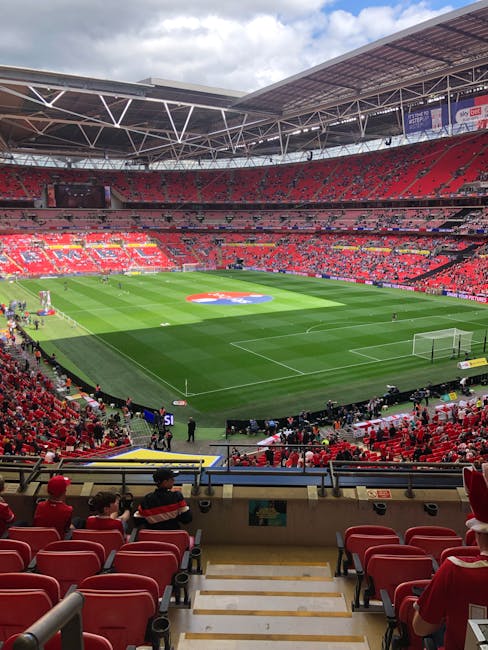
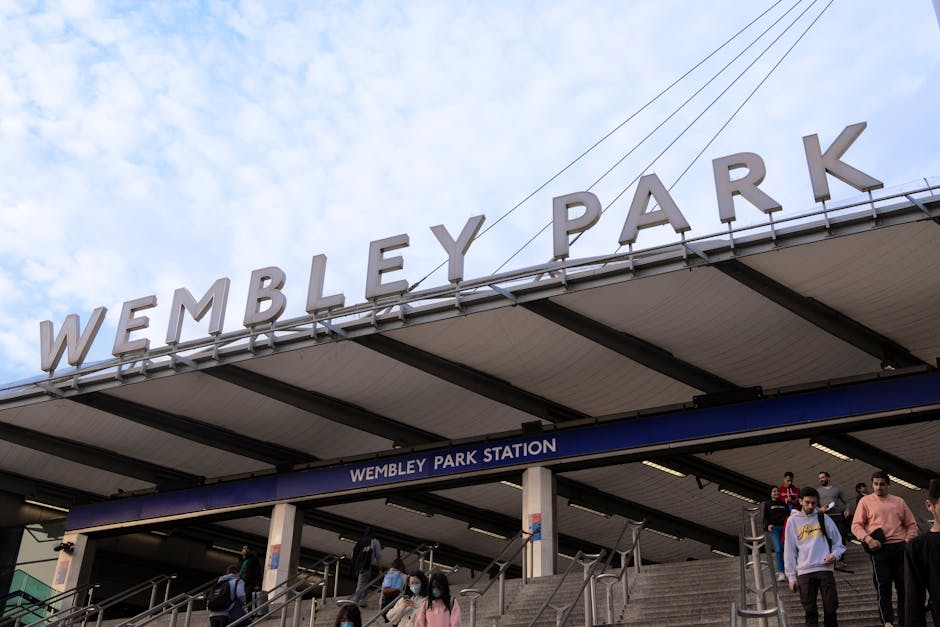
If your property has unusual access, a local mover who understands Wembley Park traffic patterns and road layouts can save a lot of friction. A good local overview like moving near Wembley Stadium: best routes and parking tips can help you avoid the obvious bottlenecks.

Common Mistakes to Avoid
Most fines and delays come from predictable mistakes. The upside is that predictable mistakes are easier to stop.
- Assuming short stops are always allowed. They often are not.
- Leaving skip placement until the last minute. By then, the best spot may no longer be available.
- Not telling the removal team about access limits. If the van size or timing is wrong, the whole job suffers.
- Blocking pavements or entrances. That can cause complaints fast, especially in busy residential blocks.
- Ignoring building management rules. These may be separate from street rules and can be just as important.
- Hiring on price alone. The cheapest quote can become expensive once parking penalties or extra labour are added.
- Overloading the skip with prohibited items. This can create collection problems and extra disposal costs.
There is another subtle mistake: forgetting the emotional side of moving. People rush because they want it done. That urgency is understandable, but it is exactly when poor parking decisions get made. Slow down just enough to think clearly. You do not need to be zen about it, just deliberate.
Tools, Resources and Recommendations
You do not need a fancy toolkit, but a few simple tools help a lot.
- Measuring tape: for checking van clearance, entrance widths, and lift thresholds.
- Box labels and room lists: to keep unloading fast and controlled.
- Clipboard or phone notes: for recording timing, access instructions, and any building restrictions.
- Protective coverings: to keep hallways and communal areas tidy.
- Spare bags and straps: for loose waste, soft furnishings, and last-minute bits.
- Clear communication with your movers: honestly, this is the biggest tool of all.
If you need the broader moving picture, services overview can help you understand the kinds of support available, while removals Wembley Park gives you a sense of the wider relocation options. For furniture-heavy jobs, the focused guidance in furniture removals Wembley Park is especially useful.
If your move is storage-heavy because you are waiting on dates or clearing space in stages, storage Wembley Park can be worth considering before you end up with too much to shift in one go. That alone can make parking and access much easier.
Law, Compliance, Standards, or Best Practice
For this kind of move, the key point is simple: follow the parking rules, building rules, and waste-handling expectations that apply to the place you are using. Exact requirements can vary by street, bay type, property management, and local enforcement arrangements, so it is wise to confirm things in advance rather than assuming a standard approach will be fine everywhere.
In everyday terms, best practice means:
- not blocking dropped kerbs, entrances, or emergency access;
- not assuming you can use a restricted bay without permission;
- placing skips only where they can sit safely and legally;
- checking whether communal areas have their own moving rules;
- keeping waste contained and not overhanging the skip;
- making sure the move does not create a hazard for pedestrians or neighbours.
Removal firms also have responsibilities around safe handling, insurance, and sensible operation. If you want reassurance on that side, the site's health and safety policy and insurance and safety pages are useful to understand the standards expected behind the scenes.
There is no magic loophole here. If something looks like it might cause a problem, it probably will. The safe approach is to plan for compliance first, then optimise for speed. That order matters.
Options, Methods, or Comparison Table
If you are deciding how to manage access and waste, the choice usually comes down to a few practical options. This quick comparison may help.
| Approach | Best for | Pros | Watch-outs |
|---|---|---|---|
| Direct van loading from outside the property | Small to medium moves with clear access | Fast, simple, minimal handling | Needs legal parking and enough space |
| Timed loading bay or short-stay stopping plan | Busy residential streets and flats | Reduces carry distance, can be efficient | Must fit time limits and bay rules |
| Skip for bulky waste | Decluttering, clear-outs, renovation leftovers | Easy to centralise waste | Placement and fill limits matter |
| Storage-first move | Staggered moving dates or downsizing | Reduces rush and space pressure | Two-stage planning is needed |
| Specialist removal support | Heavy items, tight access, time-sensitive jobs | Less stress, better logistics | Choose the right team and brief them clearly |
For many Wembley Park moves, the best answer is a blended one: park sensibly, load efficiently, and only use a skip if it genuinely solves a problem. If you are moving a piano, for example, parking strategy becomes even more important because the route from van to door needs to be as short and steady as possible. That is where piano removals Wembley Park can be the better fit than a general move.
Case Study or Real-World Example
Here is a realistic Wembley Park scenario. A couple moves from a second-floor flat with a lift. They booked a van for the morning but assumed the street outside would be fine for loading. It was not a disaster, but it was close. The nearest bay was busier than expected, so the van had to stop a little further down. That added walking time, slowed the lift cycle, and stretched the whole move out by nearly an hour.
Nothing went wildly wrong. No drama, no collapse, no scene. Just slow, expensive friction.
In a second version of the same move, they planned ahead: the movers were told about the access point, the boxes were organised in advance, heavy items were separated, and the van arrived in the quietest practical window. The result was noticeably smoother. Fewer trips, less strain, no nervous looking over shoulders, and no one had to jog back to move the van because a ticket officer appeared. A small difference, but one you feel immediately.
That is the whole point of this topic. Parking and skip rules are not just admin. They are part of whether the move feels controlled or chaotic.
Practical Checklist
Use this before moving day. Simple, but it works.
- Confirm the property access point and nearest legal stopping place.
- Check if the street has loading restrictions or resident-only bays.
- Ask whether the building has its own move rules.
- Decide whether you actually need a skip.
- Make sure the skip location will not block access or pedestrian routes.
- Brief the movers on lift access, stairs, or narrow entry points.
- Label boxes so unloading is quicker.
- Set aside fragile, heavy, or awkward items separately.
- Keep the moving window realistic; do not squeeze it too tight.
- Have a backup plan if parking near the entrance is unavailable.
- Keep pathways clear inside the home and in communal areas.
- Recheck the plan the day before, especially for same-day or weekend moves.
It does not need to be perfect. It just needs to be thought through.
Conclusion
If you want to avoid fines, delays, and unnecessary stress, the parking and skip side of a Wembley Park move deserves proper attention. The best moves are not the ones where nothing ever changes. They are the ones where the plan is flexible enough to handle real streets, real buildings, and real human chaos without falling apart.
Think about the van, the bay, the skip, the lift, and the route from front door to vehicle as one system. Once you do that, the whole thing becomes much easier to manage. And yes, a little boring. But boring is good on moving day. Boring means no fine, no complaint, no panic, no mystery costs. Nice, steady, boring.
Get a free quote today and see how much you can save.
And if you are still in the planning stage, that is a good thing. A calm, well-timed move has a way of making even a hectic day feel manageable. One step at a time, honestly.