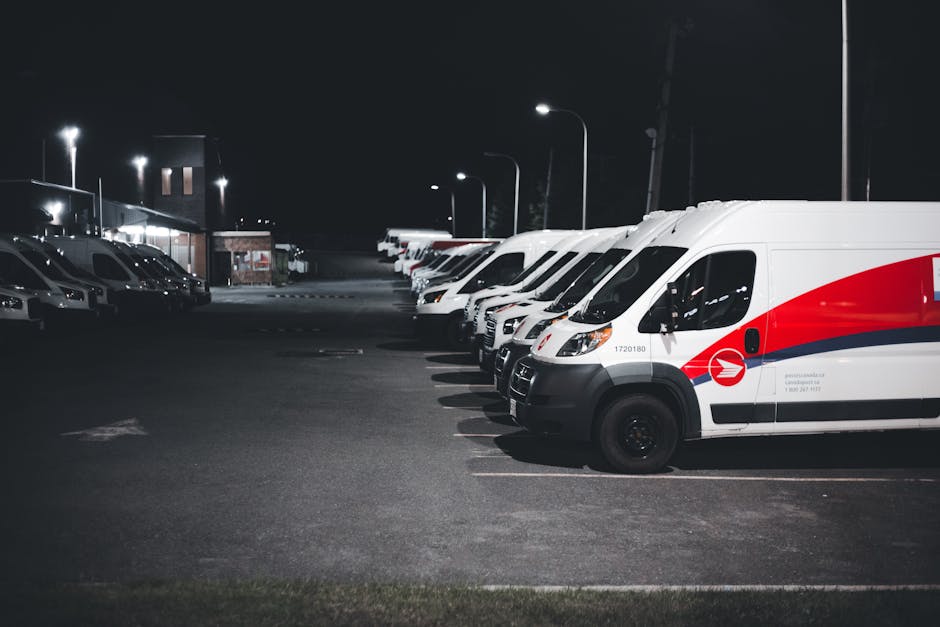
Man With Van in Wembley Park

Man With Van Wembley Park offers a practical way to move household items, furniture and smaller loads across Wembley Park and nearby parts of north-west London. The service suits customers who need a flexible vehicle, careful handling and a straightforward approach to loading, transport and unloading. It can work well for single items, flat moves, student moves, storage runs and light commercial collections where a full removals crew would be more than is needed.
Our work centres on safe, organised transport with sensible planning around access, item size and the number of stops. Because every move is different, the right vehicle and loading plan depend on what is being moved, where it is being collected from and where it needs to go. Man and van support can be particularly useful when the job needs more than a simple car journey but less than a full-scale removal package.
For many customers, the main value is simplicity. Items can be collected, protected and moved in one trip or several, depending on what is practical. If you are comparing options, it helps to think about volume, access, and how much assistance you want with lifting and carrying. Clear details make quoting easier, but the service itself stays focused on moving items carefully and efficiently rather than adding unnecessary extras.
What the service covers
The core service is built around local and longer-distance transport of furniture, boxes and other household goods. Typical jobs can include moving a sofa, bed, wardrobe, white goods or mixed room contents, as well as picking up purchases from shops, marketplaces or storage. A man and van arrangement can also be useful when you want help at both ends of the journey without booking a larger lorry or a full removal team.
Where needed, we can handle items that need careful positioning, such as dismantled furniture, fragile boxes or awkward pieces that are hard to carry alone. The emphasis is on sensible handling and practical use of space inside the vehicle. Removal services can suit customers who want a wider moving option, while a van-based move keeps the job focused and adaptable to the size of the load.
Some moves are best approached as a simple transport task; others need extra attention to packing, access or fragile contents. That is why it helps to match the service to the load rather than the other way round. If you only need a few items moved, the van-based option keeps things direct. If the move is larger, it is still possible to plan it carefully, but the priority remains secure loading and sensible route planning.
House moves and room-by-room transport

House moves often benefit from a service that can be shaped around the amount of furniture involved. A smaller home, a flat, or a partial move may not justify a bigger removal operation, yet the items still need proper lifting and transport. This is where a flexible van-based move can help. It can cover the essential furniture and boxes without adding unnecessary complexity.
For larger domestic jobs, it is usually better to think in terms of the rooms being moved rather than the property as a whole. Beds, tables, chairs, wardrobes, lamps and packed boxes may all be moved in the same run if access allows. Home moves are a natural fit when the load is domestic and the task involves both collection and delivery in one managed journey.
Room-by-room transport can also be a good option when you are clearing one part of a home, moving between addresses in stages or taking selected items to storage. This keeps the job more controllable and allows the load to be arranged according to size and fragility. It can be useful for customers who want the movement handled carefully without paying for capacity they do not need.
Furniture, appliances and single-item jobs
Not every move is a full household relocation. Many customers only need a heavy item collected and delivered safely, especially when buying second-hand furniture or replacing an appliance. A van-based service can be well suited to these jobs because it provides the space and handling needed for awkward or bulky pieces. Careful loading matters just as much on a single-item run as it does on a larger move.
We can transport items such as beds, wardrobes, desks, chairs, tables, chests of drawers and similar household pieces, provided the size and access are suitable for a van service. Furniture pick-up can be especially useful when an item needs to be collected from a seller and taken directly to a home, storage unit or office without extra handling in between.
When arranging a single-item move, it helps to think about weight, dimensions and any need for disassembly. Some furniture fits more easily when legs, doors or shelves are removed first. This does not change the nature of the job, but it can make loading safer and reduce the chance of damage. The aim is always the same: move the item with as little fuss as possible while keeping it secure.
Packing, access and careful loading
Good packing and sensible loading make a real difference to how smoothly a van move runs. Boxes should be sealed properly, breakables should be packed so they do not shift, and loose items should be gathered together before collection time. A van move is not just about getting from one address to another; it is also about protecting what is being carried so it arrives in the same condition it left.
Access is another important part of the job. Stairs, narrow hallways, parking restrictions and lift use can all affect how a move is planned. Packing and unpacking services can help when a customer wants extra support with preparing belongings for transit, but even without that, clear labelling and tidy grouping of items make the process more efficient and easier to manage.
When you are preparing for a van move, the most useful information is usually the simplest: what needs moving, where it is going, whether there are fragile items, and if anything needs dismantling or reassembling. Two practical checks can save time on the day: confirm access at both addresses and make sure the heaviest items can be reached without unnecessary lifting. That kind of preparation keeps the move steady and orderly.
Commercial and office transport

Man with van support is not limited to domestic work. It can also be useful for small businesses that need desks, stock, displays, files or equipment moved without arranging a larger commercial relocation. The advantage is flexibility: a lighter office move or a business collection can be completed in a way that suits the amount of equipment involved, whether the job is local or part of a wider transfer.
Office items often need more care than they first appear to. Screens, printers, chairs and boxed paperwork need to be stacked in a way that avoids pressure and movement in transit. Office removals cover a broader workplace move, while a man and van approach may suit smaller office changes, relocations of selected items or transport between work premises and storage.
For business customers, it is often helpful to separate urgent items from general contents before moving day. That makes it easier to load the load in a sensible order and place the most important pieces where they can be reached first at delivery. A measured approach reduces disruption and helps keep the working day manageable while equipment is in transit.
Household and business move planning
Planning a van move usually comes down to a few practical questions: how much is being moved, how far it needs to travel and how much help is needed at either end. Those factors influence the vehicle size, loading order and overall job shape. A smaller move can often be completed efficiently with careful packing and one straightforward journey, while a larger load may benefit from more detailed organisation.
Different customers value different things. Some want the simplest possible transport solution, while others need help with heavier furniture, multiple stops or a combination of collection points. Removal companies may be the better comparison when you want a broader service, but a van-based move is often the right balance when you want personal handling without unnecessary scale.
Useful planning also includes timing. If the pickup or drop-off point has restricted access, it helps to allow enough room for loading and unloading. If the job involves several items from different rooms or locations, it is best to list them in order of importance. That way the move can be organised logically rather than treated as a last-minute scramble.
About Wembley Park
Wembley Park is an area in north-west London best known for its modern entertainment and event landscape, yet it sits within a much older district shaped by rail travel, suburban growth and large-scale redevelopment. The most prominent landmark is Wembley Stadium, whose current form opened in 2007 on the site of the original stadium. Nearby stands the OVO Arena Wembley, another major venue that has long formed part of the area’s public identity. Beyond the stadium zone, the district contains a mix of residential streets, apartment buildings, retail spaces and landscaped public realm that reflects decades of change. The area is served by Wembley Park station on the Jubilee and Metropolitan lines, giving it strong Underground links into central London, while Wembley Stadium railway station and nearby Wembley Central extend local connections further. The broad redevelopment around the stadium has introduced new pedestrian routes, public squares and mixed-use spaces, including the London Designer Outlet and nearby leisure facilities. Despite its contemporary appearance in places, Wembley Park still sits within a borough marked by long transport history and urban layering, with older routes, housing patterns and civic spaces visible around the wider Wembley district.
Delivery, storage runs and multiple stops

Some jobs are not simple point-to-point moves. They may involve a collection from one seller, a stop at home and then a delivery to storage, or a series of pickups from different addresses. A van-based service is useful in these situations because it can be arranged around the route rather than forcing the job into a rigid format. That makes it easier to keep the day practical and avoid unnecessary backtracking.
Storage runs often involve a mix of furniture, boxes and seasonal items. These can be loaded in a way that keeps frequently needed belongings accessible while still protecting fragile pieces. Removals van options are well suited to transport where the focus is on carrying a defined load securely from one place to another, with enough space to keep items from being crushed or badly stacked.
When there are multiple stops, the order of collection matters. Heavier or more awkward items should generally be planned first so that the load can be arranged efficiently. If one drop-off point is particularly tight, it may help to deliver that part of the load earlier. Thoughtful sequencing keeps the move efficient and reduces the chance of needing to shuffle items repeatedly.
Vehicle choice and loading options
A man and van job depends heavily on picking a vehicle that matches the load. Too small a vehicle can lead to awkward stacking, while too large a one may be unnecessary for the amount being carried. Matching the van to the move helps keep handling safe and the journey efficient. It also allows the customer to choose a more practical option for the kind of items they have.
For some moves, the key concern is simply getting items from A to B. For others, the question is how best to protect mixed loads of furniture, boxes and personal belongings in transit. Moving van support suits customers who want transport capacity with an emphasis on practical loading, sensible arrangement and straightforward delivery rather than a fully packaged removal experience.
In everyday terms, a good loading plan means making room for the items that matter most, placing fragile things where they are not likely to be pressed and keeping the load balanced. That is why the details of the job matter so much. The better the load is arranged, the easier it is to move it without stress and without wasted space.
How to prepare a quotation request

A clear quotation request makes it easier to understand the job and suggest a suitable van-based solution. The most helpful details are the collection and delivery points, the type of property, the main items being moved and whether there are stairs, parking restrictions or tight access. If a job includes dismantling, long carries or more than one stop, it is worth mentioning that too so the move can be planned properly.
It also helps to state whether the load is mostly furniture, mostly boxes or a mix of both. Where possible, a simple list of items gives a more accurate picture than a general description. If you need to discuss a move in more detail, you can pricing and quotes for the sort of information that helps shape a sensible response. That keeps the enquiry practical and avoids uncertainty later on.
To get started, send over the essentials and let us know what kind of support you need. Tell us what is being moved, when it needs to happen and where it is going. If you would like to make a booking enquiry, please contact us for a quote.
Service choices and related moving support
Different moves need different levels of support, and it is worth choosing the service that fits the job instead of assuming a larger package is always better. A man and van arrangement can cover a surprisingly wide range of practical transport tasks, from a single bulky item to a carefully planned part-load move. The main consideration is whether the service matches the size and complexity of the work.
Where customers are comparing options, related pages can help them judge the right level of support. Man with van removals is a useful phrase for the same general type of move, while house removals and commercial moves point towards broader domestic and business transport needs. For people who simply want a general overview, removals is a broader category covering a range of moving jobs.
Good moving support is usually about fit, not size. A compact job can be handled efficiently with the right vehicle and sensible loading, while a more involved job may need extra planning or a different kind of removal arrangement. If you are unsure which route is best, the practical approach is to describe the load clearly and compare the service shape with the work that needs doing. That keeps the decision grounded in the actual move rather than in guesswork.