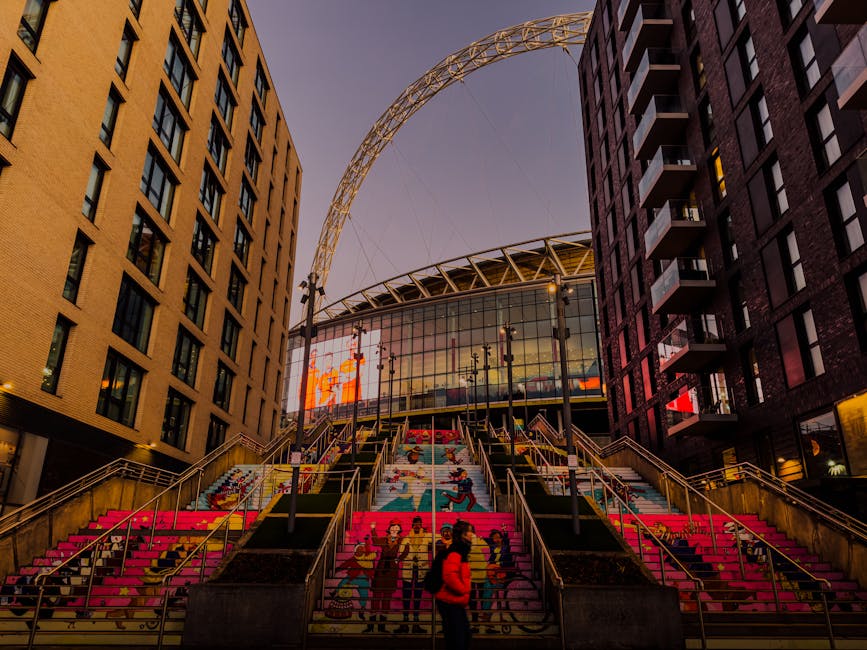
Removals in HA9 Empire Way access and loading tips
If you are planning a move around Empire Way in HA9, the smallest access detail can make the biggest difference. A van that cannot stop safely, a loading bay that is already full, or a lift that takes forever at the wrong moment can turn a straightforward job into a long, slightly frustrating one. That is exactly why Removals in HA9 Empire Way access and loading tips matter: they help you avoid delays, protect your belongings, and keep the day moving without chaos.
In this guide, you will find practical advice for parking, loading, route planning, building access, and timing. It is written for real moving days, not theory. Whether you are arranging a flat move, a household relocation, or a small office job, the same principles apply: prepare the access, load smartly, and leave less to chance. Simple enough in idea, trickier in practice. Let's make it easier.
Table of Contents
- Why access and loading planning matters on Empire Way
- How the moving process works around HA9 Empire Way
- Key benefits and practical advantages
- Who this is for and when it makes sense
- Step-by-step guidance
- Expert tips for better results
- Common mistakes to avoid
- Tools, resources and recommendations
- Law, compliance, standards, and best practice
- Options, methods, and comparison table
- Case study or real-world example
- Practical checklist
- Conclusion
- Frequently asked questions
Why Removals in HA9 Empire Way access and loading tips Matters
Empire Way sits in a busy part of Wembley Park, so access is rarely just "turn up and park." The road environment, nearby developments, apartment entrances, lift use, shared loading areas, and time-sensitive parking all shape how a move unfolds. If you do not plan those details early, even a small removal can become awkward very quickly.
To be fair, most moving stress does not come from lifting boxes. It comes from waiting. Waiting for a lift. Waiting for a space to open up. Waiting while somebody shuffles a parked car. Waiting while the team carries items further than expected because the van is awkwardly placed. A few minutes here and there adds up fast.
Good access planning helps you:
- reduce walking distance between property and van
- protect furniture from bumps, rain, and repeated handling
- keep the loading sequence organised
- avoid blocking roads or shared entrances
- make the job safer for everyone involved
It also matters because HA9 moves often involve a mix of residential blocks, commercial units, and managed buildings. That means you may need to coordinate with a concierge, a property manager, or a neighbour. If you know that in advance, you are already ahead of the game.
One practical point people miss: access is not only about the destination. It is about the route into the area as well. A moving van can handle a lot, but not if it arrives at the exact worst time, with no clear stop and no one ready to help. A little timing awareness goes a long way.
How Removals in HA9 Empire Way access and loading tips Works
In simple terms, the process is about matching the move plan to the real conditions on the ground. You are not just booking a vehicle and turning up. You are looking at where the van can stop, how long it can stay there, how far the carry is, and what happens if the building layout is tighter than expected.
A sensible removals plan for Empire Way usually follows this pattern:
- Check access details early. Look at the property entrance, lifts, stairs, parking arrangements, and any loading restrictions.
- Choose the right vehicle. A smaller man and van service can suit compact moves, while larger jobs may need a moving van or a bigger removal vehicle.
- Reserve a realistic time window. Do not squeeze everything into a slot that only works if every lift is empty and every box is pre-packed. That rarely happens. Funny how that goes.
- Stage items by priority. Put the first-load items closest to the exit and the last-load items separate.
- Load in a stable order. Heavy, flat, and solid items go in first; lighter and fragile items are protected and placed carefully around them.
For many local customers, the move becomes smoother once they treat access like part of the service itself. It is not extra admin. It is the backbone of an efficient job. If you want a wider overview of move types and support, the site's removals service and removal services pages are useful starting points.
In real life, a strong plan means the team can focus on careful handling instead of problem-solving on the pavement. That is the difference between a controlled move and a slightly frantic one.
Key Benefits and Practical Advantages
When access and loading are thought through properly, the benefits are immediate. You feel them in the pace of the job, the condition of your items, and the amount of stress you carry around before lunch. And yes, lunch matters on moving day.
| Benefit | What it means in practice | Why it matters |
|---|---|---|
| Faster loading | Items move between property and van with less wasted walking | Shortens the overall job and reduces fatigue |
| Safer handling | Better spacing, better lifting, fewer rushed carries | Reduces the risk of damage and strain |
| Less congestion | The van is positioned to avoid blocking entrances or traffic flow | Makes the move more considerate and organised |
| Better packing order | Goods are loaded in the right sequence, not randomly | Makes unloading easier at the new property |
| Lower stress | Clear plan, fewer surprises, less double-handling | Gives everyone a calmer day |
There is also a hidden benefit: a well-organised loading plan tends to protect the more delicate parts of the move, like mirrors, lamps, monitors, and oddly shaped furniture that looks harmless until it catches on a doorway. We have all seen that one chair that refuses to behave.
If your move involves a home and you want a simple, structured approach, home moves and house removals can offer a better fit than trying to improvise everything on the day. For smaller jobs, man with van support may be the most practical option.
Who This Is For and When It Makes Sense
This topic is useful for more people than you might expect. In HA9, the move could be a compact studio flat, a family home, a rental swap, or even a small business relocation. The access challenge changes a bit, but the same principle holds: the more complex the building layout, the more useful planning becomes.
This is especially relevant if you are:
- moving into or out of a block with shared entrances
- working with limited parking or controlled stopping areas
- using lift access for most of the carry
- moving at a busy time of day
- handling furniture that needs careful manoeuvring
- coordinating with building management or neighbours
It also makes sense if you are comparing service levels. A local move may look simple on paper, but access complications can push people toward a more experienced provider. If you are unsure what scale of help you need, it can be worth reviewing movers, removal company options, and more flexible support like man with a van.
A small example: a one-bedroom flat move might only need a compact van, but if the lift is slow and the parking is ten minutes away, the work is no longer "small" from a logistics point of view. The suitcase is light. The planning is not.
Step-by-Step Guidance
Here is a practical way to handle removals in HA9 Empire Way without overcomplicating things.
1. Walk the access route before move day
Start with the obvious bits: entrance, lift, stairs, hallway widths, and the distance from the closest practical stopping point. If possible, do the same walk while carrying a box-sized object. It quickly shows you where the awkward turns are.
2. Identify the best loading position
The ideal loading spot is usually the one that balances convenience and safety. You want to keep the carry short, but you also want to avoid awkward angles, tight bends, or places where traffic pressure will force rushed handling. The nearest space is not always the best space.
3. Confirm building rules and time windows
Some buildings want advance notice for lift use or loading access. Others have quiet-hour expectations, security checks, or specific entry instructions. If your property manager gives you a process, follow it. It saves everyone a headache.
4. Prepare a loading order
Set items aside in the sequence they should go onto the vehicle. The first items loaded are usually the heaviest or most stable. Soft furnishings can help cushion hard furniture. Fragile items should be boxed and labelled clearly, even if the label is just a simple "fragile" note. It sounds basic. It works.
5. Clear the path inside the property
Remove rugs, loose cables, and anything that could catch a wheel or foot. Doors should be propped safely where needed. If the hallway is narrow, create more room by moving smaller items out first rather than wrestling a sofa through a cluttered entrance.
6. Load with weight distribution in mind
Heavy items go low and toward the vehicle floor. Long items sit where they can be secured without twisting. Delicate items should not be trapped under pressure. Good loading is not glamorous, but it is the thing that stops boxes from arriving looking as if they had a bad journey.
7. Do a final safety check
Before the van leaves, check that nothing is left behind, straps are secure, and access routes are clear again. If you have used shared space, make sure the area is left tidy. That small courtesy goes a long way, especially in managed blocks.
Expert Tips for Better Results
Here is where experience really helps. A few small decisions can make the day noticeably smoother.
- Book the move for the quietest practical window. Early starts often help, particularly where roads and parking are busier later on.
- Use labels that mean something. "Kitchen," "bedroom," and "first open" are more useful than a random number scribbled on a box.
- Keep a small access bag separate. Keys, permits, lift instructions, tape, snacks, and a bottle of water should not vanish inside a wardrobe box.
- Use protective kit properly. Blankets, straps, and corner protection are worth the effort if you have furniture that marks easily.
- Match the vehicle to the job. A removal van is often the neatest fit for local moves, but larger or business relocations may justify a moving truck or removal truck hire.
One thing that catches people out: overpacking boxes. A box that is too heavy slows everything down because it needs extra caution. It may even need repacking on the pavement, which is nobody's idea of fun. Keep them carryable, honestly.
If you are moving office stock, archive boxes, or desks from a small workspace near Empire Way, commercial moves and office removals may be a better fit than a standard household move. Different goods, different rhythm.
Common Mistakes to Avoid
Most moving problems are predictable. That is the annoying part. The good news is that once you know the common slips, they are much easier to avoid.
- Assuming parking will sort itself out. It might not. If the van has nowhere practical to stop, the whole move slows down.
- Leaving access questions until the morning of the move. By then, you are reacting instead of planning.
- Ignoring lift size and stair turns. A sofa that looks fine in the lounge may be a nightmare in the corridor.
- Mixing fragile and heavy items in the same pile. That is how chipped frames and dented furniture happen.
- Forgetting to protect shared walls and flooring. Marks in hallways can create avoidable tension with landlords or neighbours.
- Trying to do too much at once. It sounds efficient, but actually creates bottlenecks.
There is also a classic one: the "I'll just carry it myself" decision that turns into three extra trips and a twisted shoulder. We have all been there, or close enough. Sometimes the smarter move is simply to ask for help earlier.
Tools, Resources and Recommendations
You do not need a truck full of specialist gear to make a local move work, but a few items make a real difference.
- Furniture blankets for protecting wood, paintwork, and mirrors
- Straps for stabilising larger items inside the vehicle
- Tape and labels for box identification and quick room sorting
- Gloves for grip and hand protection
- Door protectors or floor coverings where access areas are tight or delicate
- Hand trolley or sack truck for heavier loads, if appropriate
For packing support, it may help to use packing and unpacking services if you are short on time or managing a more complex move. That can be especially useful when moving fragile kitchenware, books, or office files that need careful sorting rather than rushed box-filling.
If you are comparing providers, it is sensible to look at removals near me to narrow down local choices, then review the company's service fit, insurance approach, and communication style. A friendly quote is useful, but so is a clear explanation of what happens if access is tighter than expected.
You may also want to check the company's insurance and safety information and its health and safety policy. Those pages help you understand how risks are managed before a van even arrives.
Law, Compliance, Standards, or Best Practice
For removals, the main concern is usually not legal complexity. It is safe, lawful, considerate operation. That said, there are still some important best-practice points to keep in mind.
In the UK, movers should work with reasonable care around roads, pavements, parking, and building access. If a vehicle is stopping in a restricted or sensitive location, it should only do so in line with the relevant rules and permissions. Where building management requires notifications or permits, those instructions should be followed. That is common sense, but it is also the right way to avoid disputes.
On the handling side, a removal team should use safe lifting methods, appropriate equipment, and sensible load distribution. That helps reduce damage and injury risks. Nothing dramatic, just proper working practice. If a provider talks openly about terms and conditions, safety expectations, and service scope, that is usually a good sign.
It is also worth noting that access on Empire Way may be shaped by local traffic conditions, managed estates, or loading restrictions that change over time. Because of that, the most reliable approach is to verify conditions before move day rather than assume last month's arrangement still applies. A quick check now can save a very long walk later.
Options, Methods, or Comparison Table
Different moves need different levels of support. The best choice depends on property size, access, volume, and how much lifting you want to do yourself.
| Option | Best for | Strengths | Watch-outs |
|---|---|---|---|
| Man and van | Small flats, quick local moves, single-room jobs | Flexible, usually efficient, often easier for tight urban access | May be limited for very large loads |
| Standard removal van | Most household removals with moderate volume | Good balance of capacity and manoeuvrability | Needs sensible parking and access planning |
| Moving truck | Larger home moves or bulky items | High capacity, fewer trips | Harder to position in tighter urban spaces |
| Full removal service | Busy households, time-poor customers, heavier moves | More hands, more structure, less stress | Usually more involved to arrange |
If you are moving furniture only, the job may be even simpler. A service such as furniture pick up can be a sensible option where you are clearing larger items without a full household relocation.
For many HA9 moves, the practical sweet spot is somewhere between a compact man-and-van setup and a standard removal van. That is especially true where the carry distance is short but the access is a bit fiddly.
Case Study or Real-World Example
Here is a realistic example based on the kind of move people often do around Empire Way.
A couple moving from a one-bedroom apartment needed to leave by late morning. They had a sofa, bed, dresser, dining table, eight to ten boxes, and a few fragile items. At first glance it sounded simple. But the building had a shared entrance, the lift was narrow, and road space outside was not generous.
Instead of waiting until the morning, they checked access the day before. They packed fragile items separately, cleared the hallway, and grouped boxes by room. The van was positioned so the carry route was short without blocking the entrance. They also kept a small "first in, last out" box with keys, tea, phone chargers, and basic cleaning items. Very ordinary things, but you will miss them if they disappear into a random box.
The result? Less double-handling, fewer awkward pauses, and no last-minute scramble to find tape or keys. The move still took effort, of course. Moving always does. But it felt controlled, and that made the difference.
That is the key lesson. Good access planning is not about perfection. It is about removing the avoidable problems before they appear.
Practical Checklist
Use this checklist before move day. It is simple, but it catches the usual mistakes.
- Confirm the exact address and entrance point
- Check parking or loading options near Empire Way
- Ask about lift access, booking rules, or time windows
- Measure awkward furniture and note tight turns
- Pack fragile items separately and label them clearly
- Keep essential documents and keys in one easy-to-reach bag
- Clear hallways, rugs, cables, and obstacles
- Decide the loading order before the van arrives
- Use blankets, straps, or floor protection where needed
- Leave shared areas tidy after loading
- Review the quote, terms, and service details in advance
- Have a backup plan if the nearest stop is unavailable
If you want a smoother booking experience, it also helps to review pricing and quotes early and understand how the move is being priced. Transparent planning is almost always better than last-minute guesswork.
A final small but important point: keep your phone charged. Sounds obvious, yet somehow it is always the one thing that runs low when you need to ring the driver or the building manager. Go figure.
Conclusion
Removals in HA9 Empire Way work best when access is treated as part of the move, not an afterthought. If you sort out parking, loading position, building entry, and loading order in advance, the whole day becomes calmer and more efficient. You will usually protect your belongings better, keep the team moving, and reduce the chance of those little problems that eat time and patience.
The real goal is not just to get everything from A to B. It is to do it cleanly, safely, and without the feeling that the day is running you. With a bit of preparation and the right support, that is absolutely doable.
If you are planning a local move in Wembley Park, take a few minutes to review your access details, compare the right service level, and check what support fits your property and timeline. A calm move is a good move. Simple as that.
Get a free quote today and see how much you can save.
Frequently Asked Questions
What should I check before booking removals in HA9 Empire Way?
Check parking, loading space, lift access, stair width, building rules, and the distance from the van to the entrance. Those details affect time, safety, and the right vehicle choice.
Is a man and van service enough for a move on Empire Way?
Sometimes, yes. It is often a good fit for smaller flat moves, a few pieces of furniture, or short local jobs. If you have larger furniture or more boxes, a bigger van may be more suitable.
How early should I plan access for a removal?
Ideally, as early as you can. At minimum, confirm access details a few days before move day so you can deal with parking, lift use, and any building instructions in good time.
What if there is no parking right outside the property?
Then plan the nearest practical stopping point and work from there. A slightly longer carry is manageable if it is planned, but it becomes inefficient if nobody expects it.
How do I make loading faster?
Group items by room, keep fragile items separate, and load heavier pieces first. Clear the path beforehand so the team is not moving obstacles before they move furniture.
Should I book a removal van or a moving truck?
Use a removal van for most moderate local moves. Choose a moving truck only if the volume is larger and the access can support a bigger vehicle without causing problems.
Do building managers usually need notice for removals?
Often they do, especially in managed blocks. Some want a booking for the lift or a time slot for loading, so it is worth checking before the move date.
Can I load everything myself to save time?
You can, but it is not always the best idea. Heavy items, awkward furniture, and fragile goods are usually safer when handled with proper moving equipment and a sensible loading plan.
What are the biggest risks during loading?
The main risks are damage to furniture, trips and slips in the access route, strained lifting, and delays caused by poor parking or a cluttered entrance.
How do I protect floors and hallways during a move?
Use protective coverings where necessary, keep routes clear, and avoid dragging items. Good lifting technique and a tidy path will prevent most marks and scuffs.
Is it worth using packing and unpacking services for a local move?
If you are short on time, have breakables, or want a more organised day, yes, it can be worth it. It takes pressure off the final hours before the move.
Where can I learn more about safety and service standards?
Review the company's health and safety information, insurance details, and terms before you book. That gives you a clear idea of how the move will be handled and what to expect.