Street-Closure and Load Bay Rules for Wembley Park Moves
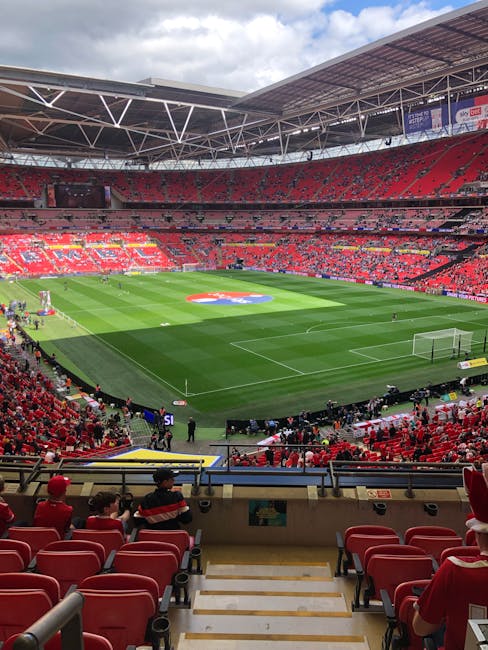
If you are planning a move in Wembley Park, the tricky bit is rarely the boxes. It is the access. Street-closure permissions, load bay timing, lift access, estate rules, and parking restrictions can turn a simple moving day into a slow, expensive headache if they are not handled early. The good news is that once you understand how Street-Closure and Load Bay Rules for Wembley Park Moves usually work, the whole job becomes much more manageable. In this guide, we will break it down in plain English: what the rules are, why they matter, how to plan around them, and what practical steps help you avoid last-minute stress.
To be fair, most move-day problems in Wembley Park come from the same few things: a van arriving too early, a bay being unavailable, or someone assuming there will be space outside the building. That assumption can cost you time, money, and patience. Let's get it right from the start.
Why Street-Closure and Load Bay Rules for Wembley Park Moves Matters
Wembley Park is a busy, built-up part of London, and that matters more than people realise on moving day. Streets can be narrow, access may be shared with residents and businesses, and a lot of properties rely on designated loading areas or timed kerbside access. If you cannot stop where you planned, your removal crew may end up carrying furniture farther than expected, waiting for a space, or splitting the move into multiple trips.
That sounds annoying. It is annoying.
But it is also avoidable.
Street-closure arrangements are about keeping traffic and pedestrians safe while a move is taking place. Load bay rules are about making sure the space is used properly, at the right time, and without blocking other road users. In practice, these rules protect everyone: neighbours, delivery drivers, building managers, and the people doing the lifting.
They also protect your budget. If a van has to circle the block while someone hunts for a bay, the whole schedule slips. If the crew has to carry wardrobes from a distant street, labour time goes up. If a road closure is needed but not arranged, you may have to reschedule at the worst possible moment. For anyone comparing options, it is worth reading broader move-planning advice too, such as how to make a house move feel less chaotic and packing methods that keep the day on track.
There is also a trust element. A mover who understands local access rules is usually better prepared overall. They will ask the right questions: Is there a loading bay? Is there a lift? Is the road shared? Are there time restrictions? That sort of detail is what separates a smooth local move from a stressful one that drifts into the afternoon. You will notice the difference very quickly.
How Street-Closure and Load Bay Rules for Wembley Park Moves Works
In simple terms, the process is about matching your move to the access conditions at the property and on the street. Some moves can use a private driveway or a clear forecourt. Others depend on public road space, shared estate access, or a formal loading zone. In busier Wembley Park streets, you may also need to think about temporary parking restrictions, timed loading windows, or building-specific rules for bays and service entrances.
The exact arrangement depends on the location, the size of the vehicle, the time of day, and whether any part of the move affects general traffic flow. For example, a small flat move with a man and van may be workable with brief loading access, while a larger household move could need a bigger vehicle and more careful timing. If you are moving out of a flat with awkward access, flat removals in Wembley Park are often planned differently from a house move because the access pressure is usually higher.
A load bay is not just "somewhere to stop". It is a designated space that may be shared, time-limited, or reserved for certain types of vehicles or activities. A street closure, meanwhile, is more formal and usually needed only when the move significantly affects the road. That can happen during very large moves, bulky item relocations, or awkward access jobs near busy routes where a van cannot safely load from the normal carriageway.
One practical point that gets missed a lot: a road that looks quiet on a weekday morning may still be awkward because of school traffic, bin collections, event schedules, or nearby delivery patterns. Wembley Park has its own rhythm. It changes by the hour. If you have ever stood with a sofa dolly while a stream of cars squeezes past, you know exactly what I mean.
For routes and local movement patterns, articles like best routes and parking tips near Wembley Stadium and whether permits may be needed in HA9 can help you understand the local context better.
Key Benefits and Practical Advantages
Once the access side is under control, the move usually feels much calmer. That is not a small thing. A good loading plan can save time, reduce handling risks, and make the day feel organised rather than improvised.
- Less waiting around: The van arrives with a clear place to stop, so loading starts on time.
- Safer lifting: Shorter carry distances mean fewer awkward turns, fewer stumbles, and less strain.
- Lower chance of disputes: When everyone knows the arrangement in advance, there is less arguing with neighbours, estate staff, or other road users.
- Better vehicle positioning: The crew can park where the move actually works, rather than where it just happens to be available.
- Less damage risk: A direct, controlled route from property to vehicle reduces the chance of knocks, scuffs, and dropped items.
- Smoother timing: A planned access window helps the whole day stay within the expected schedule.
There is a commercial upside too. If you are comparing moving services, access knowledge is part of real value. A cheaper quote may look attractive on paper, but if it ignores restricted loading or extra carrying distance, the final outcome can be messier than expected. That is why many people also look at cheap removals versus hidden fees in HA9 before deciding.
And then there is peace of mind. Honestly, that counts for a lot. Nobody wants to spend moving day staring at flashing indicators and wondering whether the van is about to get a ticket or a complaint. If the access plan is sorted, you can focus on the useful bits: checking rooms, protecting furniture, and making sure the kettle is not packed in the last box. Which, let's face it, is the box everyone needs first.
Who This Is For and When It Makes Sense
This topic matters to anyone moving in or around Wembley Park, but it is especially relevant in a few situations.
- Flat movers: Shared entrances, lifts, and limited curb space can all make loading harder.
- Families moving house: Larger volumes of furniture need more coordination and a more predictable stopping point.
- Students: Faster, smaller moves still need access planning, particularly when shared streets are busy.
- Office or commercial moves: Business timings, staff access, and client traffic can make load bay arrangements critical.
- Urgent moves: Same-day or emergency removals leave less room for error, so access needs to be tight and realistic.
- Heavy or awkward items: Piano, mattress, or bulky furniture moves are much easier with proper vehicle positioning.
If you are relocating from a property with tight internal access as well as street restrictions, you may also find solutions for narrow stairs in Wembley Park helpful. It is one thing to secure a loading bay; it is another to get a wardrobe down three turns without clipping the wall. Small detail, big difference.
This is also where specialist services come in. For example, if you need help with furniture handling, a move may be better suited to furniture removals in Wembley Park rather than a basic transport-only arrangement. If the move is more time-sensitive, what to expect from same-day removals can help you judge whether your access plan is realistic.
Step-by-Step Guidance
If you want the cleanest possible moving day, treat access planning as part of the move itself, not a last-minute add-on.
- Check the property access first. Look at the road, entrance, lift, and any signs about loading or waiting restrictions. If you are unsure, ask the building manager or landlord early.
- Measure the practical carry route. Not just the front door to the van. Include stairs, corners, lift dimensions, and any awkward turns.
- Identify whether a load bay is needed. Ask yourself a blunt question: can a van stop close enough for safe loading, or do you need a proper bay or controlled stopping point?
- Plan timing around local traffic. In Wembley Park, timing can matter as much as distance. A decent-looking slot may still be poor if the road is busy.
- Confirm who is responsible for permissions. Sometimes the mover handles it; sometimes the resident or landlord does. Do not assume.
- Prepare the loading zone. Keep pathways clear, move loose items early, and make sure the route from the door is not blocked by recycling bins, bikes, or random clutter. A tiny bit of prep saves loads of faff.
- Build in a buffer. If the bay or street access is only available for a set period, allow a little margin. Moves rarely go exactly to plan. Rarely.
- Use the right vehicle and crew size. If access is tight, a smaller vehicle may be easier to position. If the move is large, more hands can reduce the time spent in the bay.
- Protect fragile or bulky items before loading day. Items that need special handling, such as pianos, beds, or long wardrobes, should be prepped early. Professional piano moving advice is a useful example of why specialist handling matters.
- Have a backup plan. If the bay is occupied or the street is temporarily blocked, know where the van can wait safely while you sort the issue.
One more practical point: if you are moving from a flat and have bulky items packed in the wrong order, you can create a traffic jam inside the property. That sounds dramatic, but it happens. Pack in the sequence you will load, not just the sequence that feels neat in the living room. For help with that side of the move, packing and boxes in Wembley Park is a useful place to start.
Expert Tips for Better Results
The best access plans are not the most complicated. They are the most realistic.
First tip: do a walk-through at the same time of day as the move if you can. The street may feel very different at 8:30 a.m. than it does at midday. Traffic, footfall, and road use all change. If you only ever looked at the area on a quiet Sunday, you might get a false sense of security.
Second tip: keep communication simple. The mover should know exactly where the van can stop, how long it can stay, and whether any entrance is shared. The building contact should know the moving window. You should know who to call if something changes. That sounds basic, but basic things are what keep a move steady.
Third tip: think in terms of carry distance. A short carry is not only quicker; it is safer and usually cheaper. Even a few extra metres can matter when you are moving a sofa, a bed base, or several heavy boxes. If lifting technique is a concern, safe solo heavy lifting advice is worth a read, especially if you are trying to do too much on your own.
Fourth tip: respect the people around the move. Residents do not love finding a van blocking their entrance at the exact moment they need to leave. A polite heads-up and a tidy loading area go a long way. Human stuff, but it matters.
Fifth tip: do not overload the crew with last-minute extras. A "while you are here, can you just..." moment is how schedules go sideways. If you need storage, extra packing, or help with another room, mention it early. For longer gaps between properties, storage in Wembley Park may be part of a smarter plan.
Common Mistakes to Avoid
Most access problems are not dramatic mistakes. They are little assumptions that stack up.
- Assuming the van can stop anywhere: This is the big one. Not every road space is suitable for loading.
- Leaving permissions until the last moment: If a bay or closure needs arranging, delay can limit your options.
- Ignoring building rules: Some developments have service access instructions, lift booking windows, or quiet-hour expectations.
- Underestimating carry distance: The route from van to door matters more than many people expect.
- Forgetting event or traffic pressure: Wembley Park can be busier than it looks, especially around peak times.
- Packing heavy items badly: Even perfect access cannot fix a badly packed box. The move still has to be physically workable.
- Not preparing a backup bay or waiting point: If the planned space is blocked, you need another option fast.
A smaller but common mistake is choosing a moving option that does not fit the access conditions. A basic man and van setup may be perfect for a compact flat with decent roadside access, but less ideal for a large household move with a tight time slot. It helps to compare options properly, not just price them. For that, you might look at man and van services in Wembley Park alongside full removals in Wembley Park if you want to see which style fits your day better.
Truth be told, a lot of "moving stress" is access stress wearing a different hat.
Tools, Resources and Recommendations
You do not need a truck full of gadgets to manage access rules, but a few practical tools help a lot.
- Measuring tape: Useful for checking bay width, door openings, and lift clearance.
- Phone camera: Take pictures of the loading point, building entrance, and any signs or restrictions. It helps everyone stay aligned.
- Floor plan or room list: Keeps loading order clear and reduces decision fatigue on the day.
- Labels and markers: Speed up unloading and reduce the chance of putting heavy items in the wrong place.
- Protective covers and blankets: Especially helpful for furniture that will travel a short distance through a busy loading area.
- Contact list: Keep building management, mover, and any relevant helper details in one place.
For reading that supports a well-organised move, the following can be genuinely useful: decluttering tips before moving day, bed and mattress moving guidance, and how to leave your old home spotless. They help reduce the amount of stuff that needs to pass through the loading point in the first place.
If you are comparing moving providers, it can also help to look at company information and support pages before you book. A reliable provider should be transparent about the services they offer, how quotes are built, and how safety and cover are handled. Those details matter more when access is tight, because tight access often means less room for mistakes.
Law, Compliance, Standards, or Best Practice
It is sensible to approach street-closure and loading-bay arrangements as a compliance issue, even if the move is small. In London, public road space is not something you can just treat as your own temporary driveway. Local councils and estate managers may have rules about stopping, loading, waiting, pedestrian safety, and access windows. Exact requirements vary by street, property type, and timing, so you should always check the current local position rather than assuming last year's arrangement still applies.
There is also a duty of care angle. Movers should work safely, keep routes clear where possible, and avoid creating hazards for pedestrians or other road users. Best practice usually means:
- using the shortest safe carry route
- keeping access equipment stable and suitable for the item being moved
- avoiding obstruction of emergency routes
- respecting quiet hours and building instructions
- not exceeding what the available space can safely support
If your move involves a road closure, load bay reservation, or any restricted access arrangement, planning ahead is simply the sensible thing to do. It is also the fair thing to do. And if you are in any doubt about a local rule, ask before the day, not during the move while a van is sitting there and everyone is staring at each other.
For people who want to understand the broader service standards around a move, pages such as health and safety policy, terms and conditions, and about us are useful trust-building reads. If you are moving in a way that needs a quicker turnaround, same-day removals in Wembley Park can be relevant, but only if access is realistically workable. Speed never replaces planning.
Options, Methods, or Comparison Table
Different moves need different access strategies. Here is a plain comparison that may help.
| Method | Best for | Strengths | Limitations |
|---|---|---|---|
| Private driveway or forecourt loading | Homes with direct access | Fast, simple, minimal disruption | Not available in many flats or terraces |
| Load bay use | Flats, estates, mixed-use areas | Closer vehicle access, more controlled stopping | May be time-limited or shared |
| Temporary street closure | Large or complex moves | Creates safer working space | May require more coordination and notice |
| Remote parking with carry | Low-restriction moves where close access is unavailable | Flexible when no formal bay exists | Longer carry, slower loading, more labour |
There is no "best" option in the abstract. The right answer depends on the building, the road, the item list, and the timing. A top-floor flat move on a busy road will need a different plan from a small student move in a quieter side street. If you are moving as a student, student removals in Wembley Park often benefit from compact vehicle planning and faster loading windows.
In some cases, using a dedicated removal van in Wembley Park with the right access plan is a better fit than trying to improvise with a parked vehicle and a hope. Hope is not a strategy. Handy sometimes, but not a strategy.
Case Study or Real-World Example
Here is a realistic local scenario. A couple moving from a first-floor flat in Wembley Park had a sofa, a bed, several boxes, and a fridge freezer to shift. At first they assumed the van could stop outside the building entrance for long enough to load everything. On site, they found the most convenient space was already taken, and the next available spot was too far away for comfortable carrying.
Instead of forcing the issue, the team adjusted. They identified a nearby loading point, shortened the carry route, and re-sequenced the bigger items so the heaviest furniture came out first while the available space was still secure. That sounds small, but it changed the whole mood of the day. The crew worked steadily instead of rushing. The clients were not panicking. No one was shouting across the pavement. A very nice change, honestly.
The lesson was not that everything went perfectly. It did not. The lesson was that a flexible access plan prevented a minor delay from becoming a major problem. They also had to protect the sofa properly, which is why move prep links back to practical guidance like how to protect a couch during storage or transition and how to keep a house move feeling organised.
If the move had involved office equipment or tighter business hours, the access plan would have needed even more precision. For commercial relocations, office removals in Wembley Park often need a stricter loading schedule than domestic moves. Different problem, same principle: know the access before the van arrives.
Practical Checklist
Use this checklist before move day. It is simple, but it works.
- Confirm whether the property uses a load bay, service entrance, or roadside loading space.
- Check if a street closure, permit, or booking is needed for the chosen time slot.
- Measure the carry route from the van stop to the door.
- Ask whether lifts need booking or whether access hours are restricted.
- Identify the heaviest items and decide which should be loaded first.
- Take photos of signs, bays, entrances, and possible waiting points.
- Keep contact details for the building manager or landlord handy.
- Build in buffer time for traffic, lift delays, or space conflicts.
- Make sure boxes are labelled and stacked by priority, not just by room.
- Have a fallback parking or waiting plan in case the primary spot is unavailable.
And one more tiny but important line: if the move involves awkward access or you are not sure which service fits best, ask early. It saves everyone from doing guesswork with a sofa in the rain. Not ideal.
Conclusion
Street-closure and load bay rules for Wembley Park moves are not just a bureaucratic extra. They are the practical backbone of a smooth move in a busy part of London. Get the access right, and almost everything else becomes easier: loading is faster, lifting is safer, neighbours are less bothered, and your day feels more controlled.
The main takeaway is straightforward. Do not treat access as an afterthought. Check the street, confirm the bay, understand the timing, and match the move plan to the real conditions on site. That is the difference between a stressful shuffle and a move that feels properly under control.
If you want to compare your options, review the service details, think through your route and access points, and make the plan fit the property rather than forcing the property to fit the plan. A good move is rarely flashy. It is just calm, organised, and quietly efficient. That is the goal, really.
Get a free quote today and see how much you can save.
Frequently Asked Questions
Do I always need a street closure for a move in Wembley Park?
No. Most moves do not need a full street closure. Many can be handled with a suitable loading bay, timed roadside access, or careful vehicle positioning. A closure is usually only considered when the move would significantly affect traffic or safety.
What is the difference between a load bay and normal parking?
A load bay is a designated space for loading and unloading, often with time limits or use conditions. Normal parking is not automatically suitable for moving a household because it may not place the van close enough, or it may not permit loading activity in the way you need.
Who usually arranges the access permission?
It depends on the property and the mover. Sometimes the resident or landlord arranges it, sometimes the removal company handles part of the process, and sometimes both sides need to coordinate. Always check early so there is no confusion on the day.
What happens if the load bay is occupied when the van arrives?
You need a backup plan. That might mean a nearby waiting space, a short delay, or a different loading point. The main thing is not to improvise blindly. A calm reroute is better than a rushed argument at the kerb.
Are Wembley Park flats harder to move than houses?
Often, yes. Flats usually involve more shared access, lifts, stairs, and limited external stopping space. Houses can still be tricky, but flat moves often need more detailed planning around loading access and timing.
How far in advance should I check the loading rules?
As early as possible. For a straightforward move, a few days may be enough to confirm the basics. For anything involving restrictions, shared access, or a busy street, earlier is better. Late checks tend to create messy fixes.
Can a same-day move still work with access restrictions?
Sometimes, yes, but only if the access situation is straightforward or already understood. Same-day moves and restricted access can clash if the loading bay, permit, or route has not been planned in advance. Speed is useful, but only when the logistics are realistic.
What if my building has a lift but no obvious loading bay?
Then the focus shifts to the nearest safe stopping point and the rules for using the lift. It may still work well, but the carry route and timing need careful checking. For some properties, a smaller van or a different access window makes a big difference.
Do these rules matter for small moves too?
Absolutely. Even a small move can be disrupted if the van cannot stop safely or if the loading area is unavailable. A few boxes and a bed frame can still take a long time if the access is awkward.
How can I avoid hidden costs linked to access problems?
Be honest about the site conditions from the start. Share the details of bays, lifts, stairs, road restrictions, and item sizes before you book. That helps avoid extra carrying charges, wasted time, or a quote that was never realistic in the first place.
Is it better to use a smaller van in Wembley Park?
Sometimes. A smaller vehicle can be easier to place on a tight street or near a busy loading area. But capacity matters too. The best option depends on how much you are moving, how far the carry is, and whether the load needs one trip or several.
What should I do if I am not sure whether my move needs a permit?
Ask before the move, not during it. Check the property details, the street layout, and any building instructions. If you are still unsure, speak to the moving provider and explain the exact access situation. A clear answer now is much better than a rushed decision later.
Can I combine access planning with packing and decluttering?
Yes, and you should. Reducing the volume of items, labelling boxes properly, and moving bulky objects early can all make access management easier. The less clutter around the entrance, the faster and safer the loading process tends to be.
What is the single biggest mistake people make with Wembley Park moves?
Assuming there will be an easy place to stop. That one assumption causes a lot of avoidable stress. Check the access, confirm the loading point, and plan for the actual street conditions. It sounds obvious, but in a busy area, obvious is often what gets forgotten.