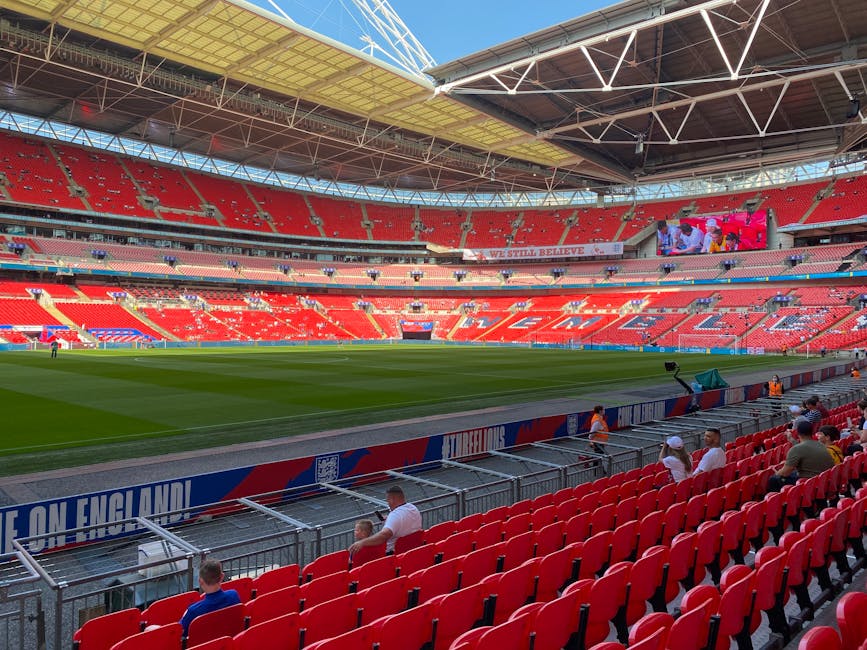
Moving Near Wembley Stadium: Best Routes and Parking Tips
Posted on 07/05/2026
If you are planning a move near Wembley Stadium, the biggest challenge is rarely the boxes. It is usually the access. Stadium traffic, event-day restrictions, narrow residential streets, controlled parking zones, and the constant stop-start rhythm of a busy North West London area can all turn a simple move into a slow one. The good news is that with the right route choice, sensible timing, and a solid parking plan, you can make the day far smoother.
This guide breaks down the best routes and parking tips for moving near Wembley Stadium, with practical advice for flats, houses, student moves, office relocations, and van-based deliveries. It also includes a realistic checklist, a comparison table, and local moving resources to help you plan properly. If you want fewer delays and less guesswork, this is the place to start.
Why Moving Near Wembley Stadium: Best Routes and Parking Tips Matters
Wembley Stadium is one of those places where local movement can change quickly. On a quiet weekday, a route may look straightforward. On a match day, concert day, school-run morning, or retail-heavy weekend, the same streets can become congested, slow, and frustrating. That is why moving near Wembley Stadium is not just about hiring a van; it is about understanding the area around the job.
For anyone arranging a flat move, house move, office relocation, or furniture delivery, the practical issue is simple: how do you get close enough to load and unload without wasting time or blocking traffic? The answer usually depends on three things:
- choosing the right arrival time
- using sensible approach roads instead of blindly following the sat nav
- finding legal, workable parking or loading space before the van arrives
That matters even more if you have bulky items, such as a sofa, bed frame, wardrobe, piano, or freezer. Those items need a clear path, not a rushed scramble at the kerb. In many cases, a bit of planning can save far more time than trying to "wing it" on the day. Truth be told, Wembley is not the place to improvise if you can avoid it.
If you are still in the planning stage, it can help to read broader moving guidance too, such as how to make a house move less stressful or practical advice on packing in a more organised way. Those small preparations make route and parking decisions easier later.
How Moving Near Wembley Stadium: Best Routes and Parking Tips Works
A good Wembley move works in layers. First, you identify the best approach into the area. Then you decide where the vehicle can stop safely. Finally, you organise the lift from the property to the van so nobody is wasting steps. It sounds basic, but that basic structure is what keeps the day calm.
In practical terms, most moves near the stadium rely on one of these access patterns:
- Main-road access: useful for larger vehicles, but often slower near busy periods
- Residential side-street access: usually better for loading, but it may have tighter spaces and parking controls
- Pre-booked loading bay or permit-supported stop: ideal where available, because it reduces uncertainty
- Timed arrival window: often the simplest solution when the area is heavily used later in the day
Sat nav is helpful, but it is not enough on its own. It may send you through roads that look shorter on a map yet are poor choices for a van, especially if there are height restrictions, congestion, or event-related road changes. The smarter approach is to plan the final approach separately from the wider journey.
For residents moving out of a flat, access can matter just as much as the distance. If you live above ground level, near a shared entrance, or in a building with tight stairwells, pairing route planning with proper packing makes the whole job more manageable. Pages like mattress moving guidance and bed relocation advice are especially useful when the route includes narrow hallways and multiple trips.
Key Benefits and Practical Advantages
Planning routes and parking properly does more than save time. It reduces stress, protects your belongings, and lowers the chances of awkward conversations with neighbours, building managers, or parking wardens. Nobody enjoys carrying a wardrobe halfway down a street because the original parking plan fell apart.
Here are the main benefits:
- Faster loading and unloading: the van stays closer to the door, which cuts carrying distance.
- Lower risk of damage: fewer long carries mean fewer knocks, drops, or scraped walls.
- Less physical strain: this matters a lot on stairs or in busy shared entrances.
- Better timing around events: you can avoid the worst traffic windows around the stadium.
- More predictable costs: less delay often means fewer chargeable hours for the move.
There is also a mental benefit that people often underestimate. When the van is parked in the right place and the route is already decided, the move feels controlled. That calmness helps you make better decisions on the day. If you want to see more planning ideas in context, decluttering before a move and packing guidelines are both worth a look.
Who This Is For and When It Makes Sense
This advice is useful for anyone moving within or around the Wembley Stadium area, but it is especially relevant if you fall into one of these groups:
- tenants moving into or out of nearby flats
- homeowners relocating from terrace or semi-detached properties with limited frontage
- students moving with boxes, bags, desks, and small furniture
- office teams handling IT equipment or archive boxes
- families moving larger items such as sofas, beds, and appliances
- anyone using a man and van or removal van in a constrained urban area
It also makes sense if you are arranging a same-day job, because there is less room for error when the schedule is compressed. For urgent moves, having a clear access plan is often the difference between a smooth collection and a frustrating wait while someone circles the block looking for a legal place to stop. If that sounds familiar, same-day removals in Wembley Park can be a practical option when timing is tight.
It is equally useful if you are choosing between self-managing the move and hiring help. For more complex properties, the safer route may be to book a team with local experience. A service page like removal services in Wembley Park can help you compare what is available before you decide.
Step-by-Step Guidance
Use this approach to reduce risk and make the move feel more organised.
- Check the moving date against event schedules. Wembley Stadium traffic can change a lot on match and concert days. A route that is ideal on a Tuesday may be a poor choice on Saturday.
- Study the immediate streets around the property. Look at frontage space, turning room, height limits, and whether the van can safely stop near the entrance.
- Decide the most practical vehicle size. A smaller van may be easier to park, while a larger removal van may reduce trips. The right choice depends on the building layout and load size.
- Plan the final approach separately from the main journey. The last few hundred metres are often the most important part of a Wembley move.
- Prepare parking permissions or contact details. If the building manager, concierge, or landlord needs notice, sort that out in advance.
- Reserve the loading zone mentally before you arrive. In busy areas, it is wise to have a backup stop in mind if the first option is occupied.
- Keep heavy items grouped by priority. Do not bury the sofa, mattress, or appliance behind twenty lighter boxes.
- Load in the right order. Heavy, awkward items first; fragile items safe and accessible; everyday essentials last so they are easy to reach.
- Do a quick departure check. Confirm keys, meter readings, bin disposal, and final cleaning before leaving the property.
A practical move near Wembley Stadium often depends on one simple idea: reduce walking distance and reduce uncertainty. If your route and parking plan do both, the rest becomes much easier.
If you are moving furniture or special items, relevant preparation guides can help. For example, sofa protection tips are useful before loading larger upholstered pieces, and piano moving advice can help you decide when specialist help is the safer choice.
Expert Tips for Better Results
Here is the part that often gets overlooked: small access decisions can save more time than packing perfection. A few well-timed choices will usually do more for the move than another hour of taping boxes.
- Arrive early enough to absorb traffic: even a 15- to 20-minute buffer can make a difference around busy roads.
- Use a helper as a parking scout: if possible, one person can check the stopping point while another stays with the vehicle.
- Keep the van load balanced: this helps on tighter roads and makes unloading more efficient.
- Protect the floor and door edges: many property disputes start with scuffed paint, not major damage.
- Break large jobs into short loading phases: this is especially helpful where parking is time-limited or access is shared.
- Don't overpack the van for the sake of one trip: one awkwardly stacked load can create more problems than it solves.
One useful habit is to think like a courier rather than a homeowner. Couriers are often efficient because they know exactly where they can stop, how long they can stay, and what needs to come out first. The same mindset works for domestic removals. It sounds unglamorous, but it gets the job done.
For awkward lifting or carrying, a reminder about safe handling is never wasted. If you are doing some of the work yourself, review safe solo lifting guidance before you attempt anything heavy, and consider the practical points in body-mechanics advice if you want better movement technique.
Common Mistakes to Avoid
Most problems near Wembley Stadium come from assumptions. People assume there will be parking. They assume the quickest road is the best road. They assume the move will be fine because it is "only a short distance." That is usually where delays begin.
- Ignoring event traffic: the stadium area can behave very differently depending on the calendar.
- Trusting a sat nav alone: it may not account for local loading realities or access restrictions.
- Leaving parking until arrival: that is how loading bays disappear and the clock starts ticking.
- Choosing a van that is too large for the street: bigger is not always better in tight urban areas.
- Forgetting building rules: some properties require notice, lift protection, or access arrangements.
- Not separating fragile items: once the van door opens, things tend to shift quickly.
- Underestimating stair counts: three flights can feel very different when you are carrying a mattress.
Another common problem is poor finishing. People focus on the move-in and forget the move-out. If you are leaving a property, it is worth checking cleaning and handover advice such as how to leave a home clean before moving out or how to leave your old home spotless. A tidy handover can reduce last-minute stress and awkward follow-up.
Tools, Resources and Recommendations
You do not need a complicated toolkit for a Wembley move, but a few practical items will help.
- Phone maps with live traffic: useful for checking delays near the stadium on the day
- Printed or saved parking notes: handy if signal drops or your battery runs low
- Moving blankets and straps: help protect furniture and keep items secure during short urban journeys
- Box labels: make unloading faster when parking access is limited
- Marker pen and tape: simple, but still essential
- Clear contact list: building manager, landlord, neighbours, and any mover you have booked
If you need extra help with the move itself, local service pages can be useful for comparing support levels. See man with a van support in Wembley Park for smaller loads, house removals for full-property moves, or furniture removals when you are moving specific items only.
For people who want a broader view of moving services and support, the services overview and pricing and quotes pages are sensible next stops. If you need storage between properties, storage in Wembley Park may also be useful.
Law, Compliance, Standards, or Best Practice
For most people, the key compliance points are practical rather than legal drama. You mainly need to avoid unsafe stopping, respect local parking controls, and follow property rules. In a busy area like Wembley, that means checking whether the van can legally wait, whether permits are needed, and whether you are blocking access for pedestrians, residents, or emergency vehicles.
Best practice usually includes:
- using lawful parking or loading arrangements only
- checking for any local restrictions before moving day
- protecting shared property areas from damage
- lifting safely and not rushing awkward items
- making sure the vehicle is suitable for the route and load
If you are using movers, it is sensible to check how they handle safety and insurance matters. Pages such as insurance and safety and health and safety policy can help you understand the standard of care you should expect. If you are comparing providers, that can be a useful trust signal.
For customers who care about responsible disposal and reuse, the recycling and sustainability page is also worth reviewing. A well-run move should not create unnecessary waste.
Options, Methods, or Comparison Table
Below is a simple comparison of the most common approaches to moving near Wembley Stadium. The best choice depends on your load size, property access, and the day you are moving.
| Method | Best for | Advantages | Trade-offs |
|---|---|---|---|
| Small van or man and van | Studios, single rooms, light flat moves | Easier to park, easier on narrow streets, flexible arrival | May require more trips for larger loads |
| Standard removal van | Typical home or multi-room moves | Better capacity, fewer runs, more efficient for full loads | Needs more careful parking and route planning |
| Timed access with helpers | Properties with difficult entrances or limited parking | Good control, shared carrying, less waiting time | Requires coordination and clear communication |
| Storage-first move | Staggered relocations or delayed handovers | Reduces pressure on moving day, helps with access issues | Adds an extra step and temporary storage cost |
In practice, the right method often comes down to street access. If a large van cannot park near the door, a smaller vehicle with efficient loading may actually win the day. This is one of those situations where "more capacity" does not always mean "better outcome."
Case Study or Real-World Example
Consider a straightforward scenario: a one-bedroom flat a short distance from Wembley Stadium, with a move-out scheduled for a weekday morning. On paper, it looks easy. In reality, the building has limited frontage, the road gets busier after the school run, and the lift can only take one large item at a time.
The move works best when the plan is adjusted around access rather than just the inventory list. The mover arrives early, checks the closest legal stopping point, and keeps the route from the flat to the van as short as possible. Light boxes are carried first only where they do not block access, while the bed frame and mattress are loaded when the path is clear. The result is fewer back-and-forth trips and less congestion around the entrance.
That same approach works for larger homes too. If the stairs are awkward or the furniture is oversized, specialist handling can make a real difference. For example, piano removals are best left to trained movers, and the same is often true for large wardrobes, sofas, or appliances. For the planning side, a guide like how to declutter before you move can reduce the volume long before moving day.
Practical Checklist
Use this checklist before the van arrives. It is simple, but it covers the details that usually cause problems.
- Check whether the date falls on an event day near the stadium
- Confirm the final route for the van, not just the postcode
- Identify a legal loading or parking option close to the property
- Ask whether permits, notices, or building permissions are needed
- Measure awkward furniture and note any tight corners or stairs
- Pack fragile items separately and label them clearly
- Keep essentials, keys, chargers, and documents in one easy-to-reach bag
- Use blankets, covers, or wrapping for sofas, mattresses, and delicate surfaces
- Prepare a backup plan in case the nearest stop is already occupied
- Do a final check of cupboards, loft spaces, storage areas, and meters
If you are moving a flat or preparing a smaller job, you may also want to review flat removals in Wembley Park or packing and boxes support for extra help with preparation.
Conclusion
Moving near Wembley Stadium is absolutely manageable, but it rewards planning. The best route is not always the shortest route, and the best parking space is not always the one closest on the map. What matters is a workable combination of access, timing, and loading efficiency. If you get those three things right, the move feels much less chaotic.
Keep your route flexible, your parking plan realistic, and your heavier items properly prepared. For many moves, that is enough to turn a potentially stressful day into a controlled one. And if the job looks too awkward for one person or one vehicle, getting local help is often the smartest decision.
If you are comparing support options, looking at service pages, safety details, and quote information can help you make a better decision before the moving day rush begins.
Get a free quote today and see how much you can save.